Lawn Care Tips

Expert advice to help you maintain a beautiful, healthy lawn year-round. Tips from the pros at Scott Cross' Mowing.

Spring lawn care tips
March 15, 2024

Spring Lawn Care: Getting Your Yard Ready for the Growing Season

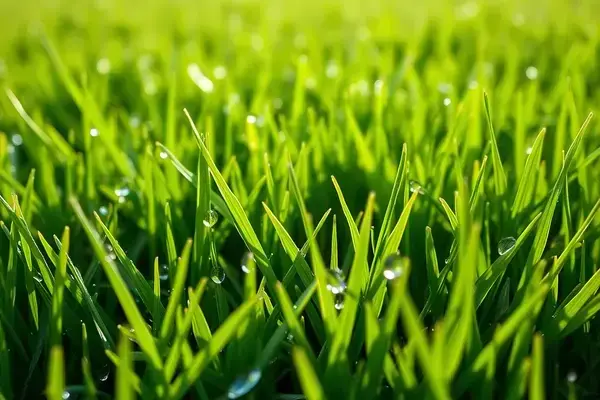
After a long winter, your lawn needs some TLC to bounce back. Here's our complete spring preparation checklist...

Read More

After a long winter, your lawn needs some TLC to bounce back. Here's our complete spring preparation checklist to ensure your yard thrives throughout the growing season.

1. Clean Up Debris

Start by removing leaves, branches, and other debris that accumulated over the winter. This allows sunlight to reach the grass and prevents fungal growth.

2. Aerate If Needed

If your soil compacted over winter or you notice water pooling, spring aeration can help. However, fall is generally better for aeration in our climate—consider scheduling it now for next year.

3. Apply Pre-Emergent Weed Control

Stop weeds before they start. Apply pre-emergent herbicide in early spring to prevent crabgrass and other weeds from germinating.

4. Fertilize

Your lawn is waking up hungry. A balanced fertilizer applied in early spring provides the nutrients needed for vigorous growth.

5. Adjust Mowing Height

As temperatures warm up, gradually lower your mowing height. Start at about 3 inches and work down to 2.5 inches as the growing season progresses.

6. Check Irrigation

Test your sprinkler system and make sure all heads are working properly. Your lawn will need about 1 inch of water per week.
Summer lawn care
June 20, 2024

Summer Lawn Survival: How to Keep Your Grass Green in the Heat

Lexington summers can be brutal on lawns. Learn how to keep your grass green and healthy even when temperatures soar...

Read More

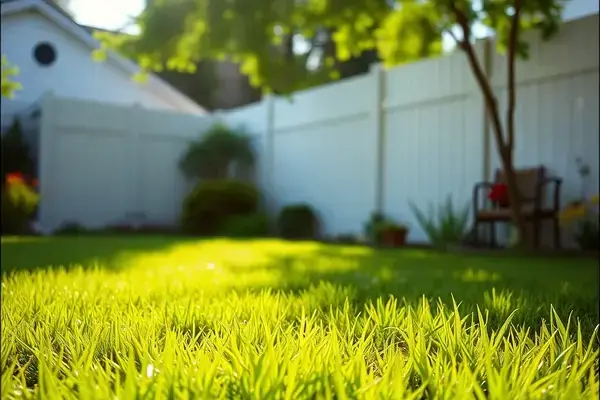
Lexington summers can be brutal on lawns. The combination of high heat, humidity, and drought stress can turn a lush green lawn brown practically overnight. Here's how to keep your grass thriving.

1. Water Properly

The #1 mistake homeowners make? Watering lightly every day. Instead, water deeply but infrequently—about 1 inch per week, ideally in the early morning. This encourages deep root growth.

2. Raise Your Mowing Height

During summer heat, raise your mower blade to 3-3.5 inches. Longer grass shades the soil, reducing moisture loss and preventing weed germination.

3. Don't Bag Your Clippings

Leaving grass clippings on the lawn returns nutrients to the soil. As long as you're mowing regularly (not cutting more than 1/3 of the blade at a time), clippings won't cause thatch.

4. Watch for Pests

Summer is prime time for chinch bugs, sod webworms, and other lawn pests. Look for brown patches that spread quickly—if you see bugs or webbing, call us for treatment.

5. Avoid Fertilizing in Summer

Hold off on heavy nitrogen applications until fall. Summer fertilizing can burn your lawn and actually promotes disease.

Fall lawn care
September 10, 2024

Fall Lawn Care: The Most Important Season for Your Yard

Fall is the single most important season for lawn care. Here's why—and what you should be doing now...

Read More

Fall is the single most important season for lawn care in North Carolina. Here's why—and what you should be doing right now to set your lawn up for success next spring.

1. Aerate This Fall

Fall is the ideal time for core aeration in our area. The soil is still warm enough for quick recovery, and the fall rains help the process.

2. Overseed Thin Areas

Fall is perfect for overseeding cool-season grasses. The soil is warm, moisture is typically consistent, and there's less competition from weeds.

3. Apply Fall Fertilizer

Your last fertilizer application of the year should go down in late fall (around Thanksgiving). Look for a fertilizer with slow-release nitrogen.

4. Keep Mowing

Don't put the mower away too early. Continue mowing until growth slows significantly. Keep the height at about 2.5 inches going into winter.

5. Control Weeds

Fall is the time to battle broadleaf weeds like dandelions. They're actively absorbing nutrients now, which means herbicide applications are more effective.

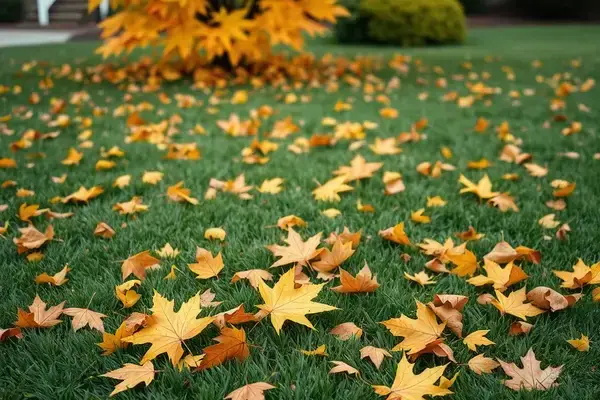
6. Clean Up Leaves

Don't let leaves sit on your lawn all winter. A thick layer of leaves can smother grass and promote disease. Mulch them with your mower or remove them regularly.

Common Questions

Most lawns need mowing once a week during the growing season. During peak summer growth, you might need to mow every 4-5 days. In cooler months, every 10-14 days may be sufficient.

For cool-season grasses common in our area (fescue, bluegrass), mow at 2.5-3.5 inches. During summer heat, raise the height to 3-3.5 inches to help the grass cope with stress.

Your lawn needs about 1 inch of water per week, including rainfall. It's better to water deeply and infrequently (once or twice per week) than to water lightly every day.

For cool-season grasses in North Carolina, fall (September-October) is the ideal time to aerate. Spring aeration is also possible but should be done early.

While basic mowing can be done yourself, professional services provide expertise, proper equipment, and consistent scheduling. For best results, consider a combination—professional maintenance for mowing and specialized care, with some DIY watering between visits.

Need Help With Your Lawn?

Our team is here to help with all your lawn care needs. From regular mowing to specialized treatments, we've got you covered.